Platform Integration Trends: Connecting Mobile Table Games to Sports Accumulators and Payout Tiers
Rosa Bennett · Aug 21, 2026
Platform Integration Trends: Connecting Mobile Table Games to Sports Accumulators and Payout Tiers
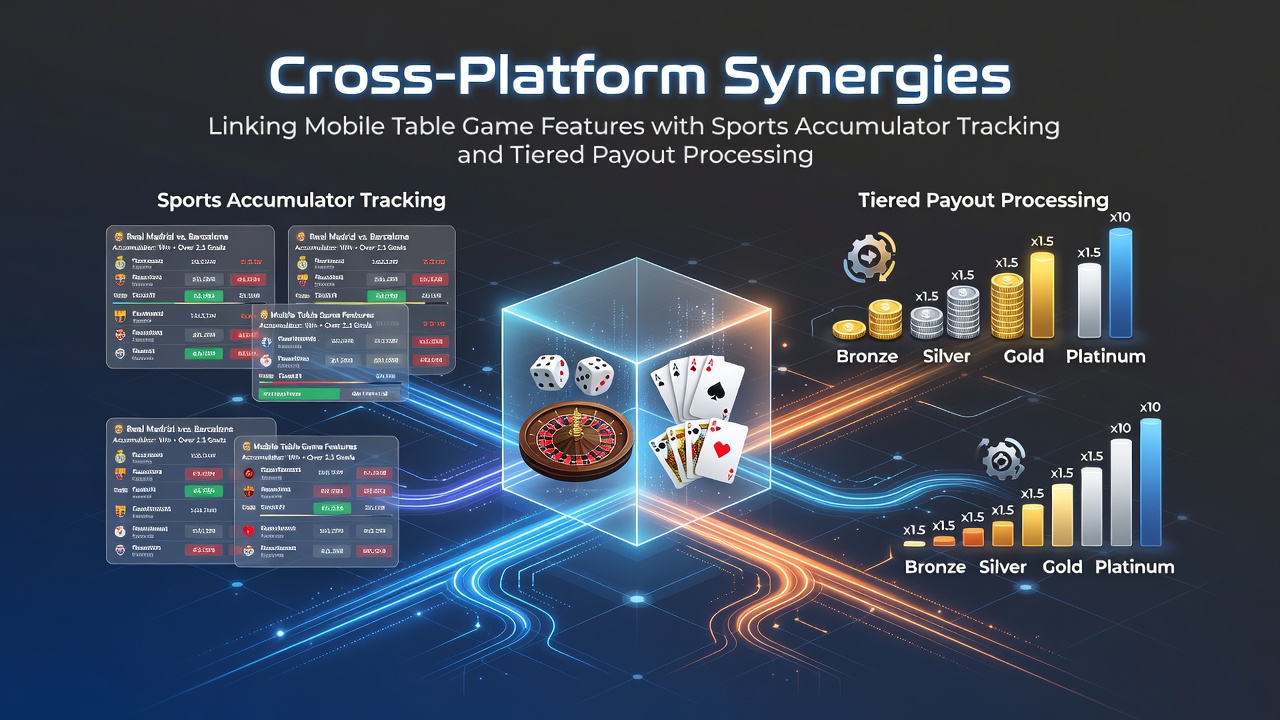
Digital gaming platforms have expanded their capabilities through integrated systems that link mobile table game features directly to sports accumulator tracking tools and tiered payout processing frameworks, creating unified user experiences across devices. Developers have built these connections using shared databases that update in real time, allowing players to move between blackjack sessions on mobile apps and accumulator bets on football matches without separate logins or data transfers. Data from industry reports shows that such integrations have increased session durations by combining table game progression metrics with accumulator streak indicators, while payout algorithms adjust reward levels based on combined activity across both categories.
Mobile Table Game Features and Their Core Mechanics
Modern mobile table game applications incorporate touch-optimized interfaces, real-time dealer interactions, and customizable rule sets that feed performance data into centralized tracking modules. These features include multi-hand options in poker variants, progressive side bets in roulette, and live chat functions that record player decisions for later analysis in accumulator contexts. Observers note that software providers have standardized APIs to export table game results into sports betting dashboards, enabling seamless visibility of win rates and bet patterns without manual input from users.
Sports Accumulator Tracking Capabilities
Accumulator tracking systems monitor multi-leg bets across leagues and events, calculating potential returns while factoring in live odds changes and historical performance data pulled from connected table game sessions. Platforms achieve this by embedding tracking widgets that display accumulator progress alongside table game statistics, such as average hand values or streak lengths from mobile blackjack play. Research indicates that these tools help users manage risk by highlighting correlations between table game outcomes and accumulator leg success rates, with updates occurring every few seconds during active events.
Tiered Payout Processing Frameworks
Tiered payout processing operates on graduated scales where reward multipliers rise according to total activity volume across mobile table games and sports accumulators. Systems calculate eligibility for higher tiers by aggregating points from completed table rounds and successful accumulator legs, then apply automated disbursements through linked payment gateways that support instant mobile withdrawals once thresholds are met. Figures from gaming analytics providers reveal that tier advancements often unlock faster processing speeds and bonus multipliers, with data logs confirming that combined engagement accelerates movement between levels more rapidly than isolated play in either category alone.

Cross-Platform Data Flows and Technical Links
Engineers have established data pipelines that route mobile table game results into accumulator algorithms, allowing table performance metrics to influence accumulator recommendations and payout tier calculations in a single ecosystem. This setup relies on cloud-based servers that synchronize user profiles across applications, ensuring that a strong run at mobile baccarat contributes directly to accumulator payout eligibility without separate verification steps. Those who have examined platform architectures point out that encryption protocols protect these flows while maintaining compliance with regional standards outside the United Kingdom, including frameworks from the Nevada Gaming Control Board and Australian wagering regulations.
Take one integration case where operators linked roulette spin outcomes to accumulator tracking for basketball events, resulting in dynamic payout adjustments that reflected both table volatility and sports leg completion rates. Such examples demonstrate how shared ledgers reduce processing delays and create consistent reward pathways, with activity from August 2026 showing increased adoption of these linked systems across multiple jurisdictions.
Implementation Examples Across Markets
Platforms operating in North America and Europe have deployed these synergies by embedding accumulator trackers within table game menus, enabling users to initiate sports bets from the same interface used for mobile poker sessions. Industry organizations such as the American Gaming Association have documented rising usage of tiered processing that incorporates cross-category data, noting efficiency gains in payout verification times. Additional reports from Canadian provincial regulators highlight similar patterns where combined tracking supports responsible play features through unified activity summaries.
Conclusion
Integrated systems that connect mobile table game features with sports accumulator tracking and tiered payout processing continue to evolve through standardized data exchanges and automated reward structures. Evidence from platform analytics and regulatory filings confirms that these connections streamline user navigation and align activity metrics across categories, supporting broader operational efficiencies in digital gaming environments. As of August 2026, ongoing developments in API compatibility and payout automation point to further refinements in how these elements interact on a technical level.