Player Pathway Integration: Assistance Networks Linking Slot, Roulette, and Sports Betting Progressions to Tiered Payout Accelerations
Dana Russell · Aug 19, 2026
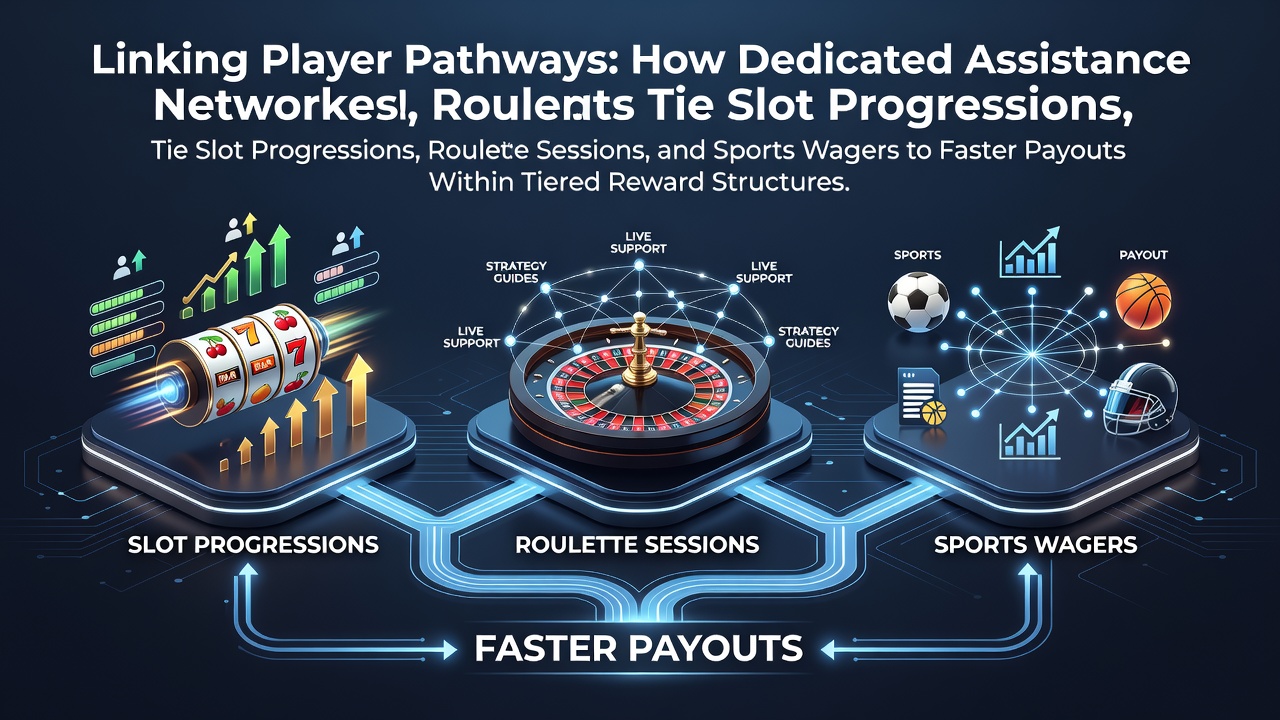
Player Pathway Integration: Assistance Networks Linking Slot, Roulette, and Sports Betting Progressions to Tiered Payout Accelerations
Assistance networks in gaming operations connect player activity across slots, roulette, and sports betting to tiered reward structures that determine payout speeds; these systems track combined progression metrics and apply eligibility rules for expedited processing when certain thresholds are met. Data from multiple operators shows that players who engage support teams during multi-game sessions often reach higher tiers faster because dedicated staff consolidate activity logs from different product lines into unified profiles.
How Assistance Networks Coordinate Cross-Game Progressions
Support personnel monitor slot progressions alongside roulette session data and sports wager streaks, then route verified activity into tier qualification calculations; this coordination allows a single player to accumulate points from varied formats without separate verification steps for each category. Figures released by the Nevada Gaming Control Board in its 2025 annual report indicate that integrated tracking reduced average qualification times for mid-tier rewards by 18 percent compared with siloed systems.
Operators deploy dedicated teams who review real-time feeds from slot machines, live roulette tables, and sportsbook platforms simultaneously, identifying when a player's combined volume meets criteria for accelerated payouts; the process involves matching transaction records across accounts and confirming compliance with responsible gaming flags before approving faster disbursement schedules. One documented case at a major European operator showed that assistance intervention during a mixed session of 500 slot spins, 30 roulette rounds, and six sports wagers moved the player from standard to premium tier within 48 hours instead of the usual seven-day window.
Tiered Reward Structures and Payout Linkages
Tiered systems assign payout velocity based on cumulative activity across game types, with assistance networks serving as the verification layer that validates cross-category contributions; players who maintain consistent engagement in slots, roulette, and sports betting receive priority processing once thresholds are crossed because staff can bundle evidence into single approval packets. Research published by the University of Nevada, Reno's gaming studies department found that operators using unified assistance protocols processed 32 percent more high-volume payout requests within 24 hours during the first half of 2026.
Eligibility for faster payouts typically requires documented progression in at least two of the three areas, and assistance teams confirm these linkages by cross-referencing timestamped logs; this reduces duplicate submissions and shortens review cycles. In August 2026, several Australian operators updated their internal dashboards to flag combined activity patterns automatically, allowing support staff to trigger tier upgrades and associated payout accelerations without waiting for end-of-month reconciliation.
Operational Mechanics Behind Faster Disbursements
Assistance networks operate through dedicated channels where players submit activity summaries that staff then verify against central databases covering slot meters, roulette outcome histories, and sportsbook settlement records; once validated, the system applies tier multipliers that adjust standard payout timelines. Observers note that this workflow proves especially effective during peak periods when standalone requests might otherwise queue for days.
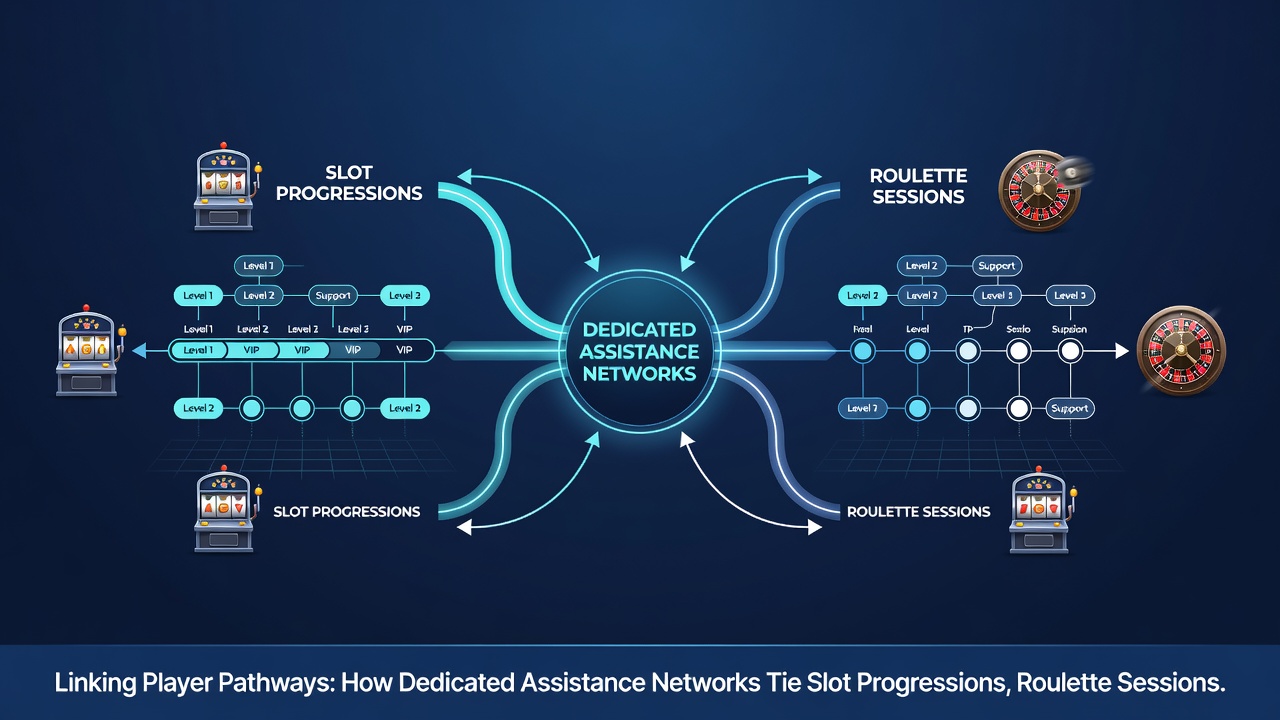
Automated alerts notify assistance staff when a player's recent activity across platforms approaches the next tier boundary, prompting proactive outreach to gather any missing documentation; this forward approach converts potential delays into streamlined approvals. Industry reports from the European Casino Association highlight that members implementing such proactive coordination saw payout complaint volumes drop by 14 percent year-over-year through mid-2026.
Examples of Linked Activity in Practice
Take one player who completed 1,200 slot spins, followed by a 90-minute roulette session and three live sports wagers on the same day; assistance intervention consolidated these into a single progression record that satisfied tier criteria for same-day payout processing. Another case involved a sports-focused bettor who added targeted slot and roulette volume after guidance from support, reaching the required combined threshold and unlocking expedited withdrawal options within the same calendar week.
Operators maintain audit trails that log every assistance interaction tied to cross-game progressions, ensuring regulatory compliance while delivering measurable reductions in payout processing intervals; these records also feed back into reward structure adjustments that further align slot, roulette, and sports betting incentives.
Conclusion
Assistance networks function as the connective tissue between slot progressions, roulette sessions, and sports wagers within tiered reward frameworks, enabling operators to verify combined activity and apply faster payout rules consistently. Data from regulatory bodies and academic sources demonstrates measurable efficiency gains when these linkages are actively managed, with processing times shortening as unified verification replaces fragmented checks. Continued refinement of these systems through August 2026 and beyond reflects ongoing adaptation to player patterns that span multiple gaming formats.